Dental
All-on-4
A fixed alternative to a removable denture for a jaw with no remaining useful teeth — surgery first, final bridge months later.
What this treatment involves
All-on-4 replaces a whole upper or lower arch with a fixed bridge carried on four implants rather than one implant per tooth.
The two implants at the back are placed at an angle. That is the central idea: tilting them lets a longer implant engage bone that is still dense, which often avoids the bone grafting or sinus lift that vertical implants in the same jaw would require.
Where the implants are stable enough at placement, a fixed temporary bridge is fitted the same day or the next. This is what "teeth in a day" refers to — the temporary, not the finished result.
Who may be suitable
It is considered for people who have lost, or are about to lose, all the teeth in a jaw, and for those struggling with a removable denture that moves or rubs.
Enough bone must remain in the front of the jaw to hold four implants securely. Uncontrolled diabetes, smoking and untreated gum disease all raise the risk of failure. Some jaws need more than four implants for a safe result, and some need bone grafting first — which is why the assessment includes a CT scan rather than a photograph.
Whether this is appropriate for you can only be decided by a clinician after examining you and reviewing that scan.
Why patients choose it
The bridge is fixed. It does not come out, does not need adhesive, and does not move while eating or speaking — the specific complaints that lead most people to ask about this.
Because the angled implants often reach usable bone, treatment is frequently possible without grafting, which shortens the overall timeline and reduces the number of procedures. Chewing function is closer to natural teeth than any removable denture achieves.
How treatment works

Assessment and CT scan
Trip 1, day 1
A cone-beam CT scan shows bone volume and density and the position of the nerve and sinus. Treatment is planned from this, not from photographs.
Any remaining teeth removed
Day 2
Teeth that cannot be saved are extracted, usually in the same appointment as implant placement.
Implant placement
Day 2, 2–3 hours
Four implants are placed under local anaesthetic, with sedation available. The two posterior implants are angled to engage denser bone.
Fixed temporary bridge
Day 2–3
Where the implants are stable enough, a fixed temporary bridge is fitted within 24–48 hours. You leave with fixed teeth.
Healing at home
3–6 months
The implants integrate with the bone. A soft diet is required throughout. Your coordinator stays in contact.
Final bridge
Trip 2, 4–5 days
A second, shorter trip for impressions, try-in and fitting of the definitive bridge.
How four implants carry a full arch
1. The arch
The jaw once teeth that cannot be saved have been removed.
2. Four implants
Placed under local anaesthetic. The two at the back are angled to engage denser bone.
3. The bridge
One fixed bridge secured to the four implants.
A schematic diagram, not an anatomical drawing. It shows how the parts fit together and in what order; it is not to scale and does not represent any individual anatomy. Your own treatment is planned from your scan.
What happens in Istanbul
Full-arch treatment usually means two trips. The first covers surgery and a fixed temporary bridge, and lasts around five to seven days. You then return home to heal for three to six months before a second, shorter trip for the final bridge. Your coordinator confirms both sets of dates, transfers and accommodation in writing before you travel.
Recovery
Swelling and bruising of the face and lips are expected for several days and usually peak around day three. Discomfort is managed with prescribed medication.
A soft diet is required for the whole healing period — typically three to six months — because the temporary bridge is not built to take full biting force and the implants must not be loaded heavily while integrating. This is the part patients most often underestimate.
The final bridge is fitted after the implants have integrated and the gum contour has settled.
Typical recovery
Swelling and bruising of the face and lips peak, then settle over several days.
A soft diet throughout. The temporary bridge is not built to take full biting force — the part patients most underestimate.
The implants integrate with the bone and the gum contour settles.
The final bridge is made and fitted.
A usual course, not a schedule you have been given. Recovery varies considerably between people, and the full recovery information above is what your own plan is based on.
Risks and considerations
This is oral surgery under anaesthetic, and carries the risks that implies: infection, bleeding, and reaction to anaesthesia.
Implants can fail to integrate. With only four supporting a whole arch, losing one is more consequential than losing one of eight — it can mean the bridge cannot be supported until the site heals and a further implant is placed, which adds months.
Lower-jaw surgery carries a risk of injury to the nerve supplying the lip and chin, which can cause numbness or altered sensation, occasionally permanent. Upper-jaw surgery near the sinus carries a risk of sinus complications.
The temporary bridge can fracture if the soft-diet instructions are not followed. Long-term success depends on cleaning around the implants daily and attending maintenance appointments — peri-implantitis, an inflammatory condition around implants, can cause bone loss and eventual failure years later.
This information is general and educational. Whether a procedure is appropriate for you can only be determined by a qualified medical professional after an individual assessment, including your medical history and an examination.
Systems used for this procedure
The manufacturers whose systems are used here, so you can check them yourself rather than take our word for it.
Straumann
A Swiss dental implant manufacturer, among the most widely used and most extensively documented systems in implant dentistry.
Nobel Biocare
A dental implant manufacturer with Swedish origins, and the company behind the original All-on-4 protocol.
MegaGen
A South Korean dental implant manufacturer, known internationally for the AnyRidge implant system.
BEGO
A German manufacturer of dental implants, prosthetic components and dental laboratory materials.
Naming a manufacturer is not a claim that one system produces a better result than another. Outcomes depend far more on planning, on the surgery itself and on how you heal than on whose system is used. Ask for the make, model and reference number of anything implanted, in writing, before you travel home.
Common questions
Do I really get teeth in one day?
You get a fixed *temporary* bridge, usually within 24–48 hours of surgery — so you do not leave without teeth. The final bridge comes three to six months later, once the implants have integrated. Any clinic describing the same-day bridge as the finished result is being misleading.
How long do I have to eat soft food?
Usually three to six months — the whole time the implants are integrating. This is the part most people underestimate, and it is not optional: biting hard food on a temporary bridge can fracture it or disturb an implant that has not yet integrated.
Why four implants and not more?
Four is the minimum that can safely carry a full arch when the bone allows it, and using fewer implants means less surgery and often no grafting. But it is not right for every jaw — some need six or more for a safe, durable result. The CT scan decides that, not a package name.
Further reading
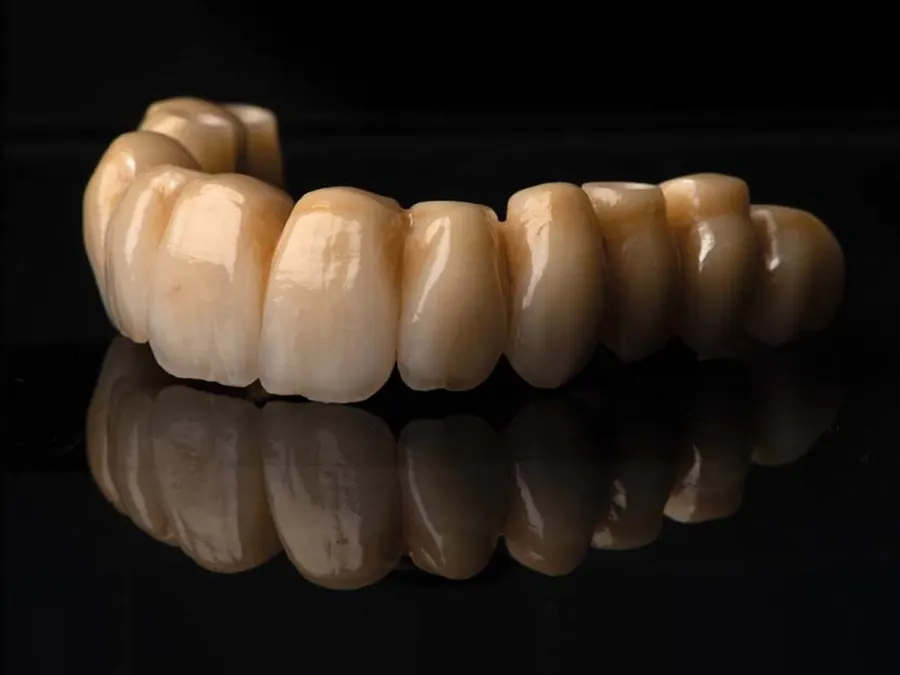
All-on-4: a full arch of teeth on four implants
Four implants, two of them angled, carrying a fixed bridge. The angling is the whole idea — it reaches solid bone without a graft, and it is why the technique exists.
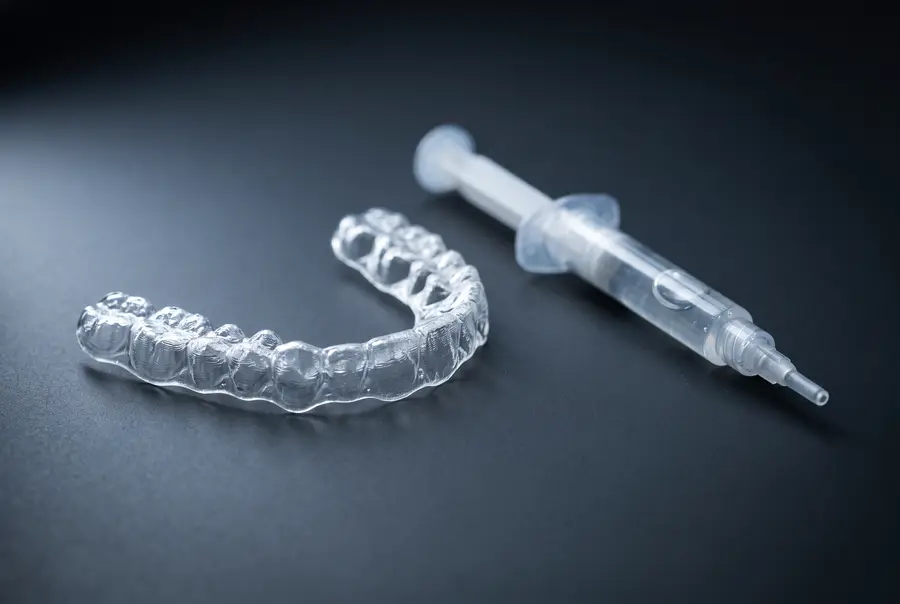
Teeth whitening: what works, and what it cannot do
Whitening changes the colour of natural tooth structure. It does nothing to a crown, a veneer or a filling — which is why the order of treatment matters more than the product.
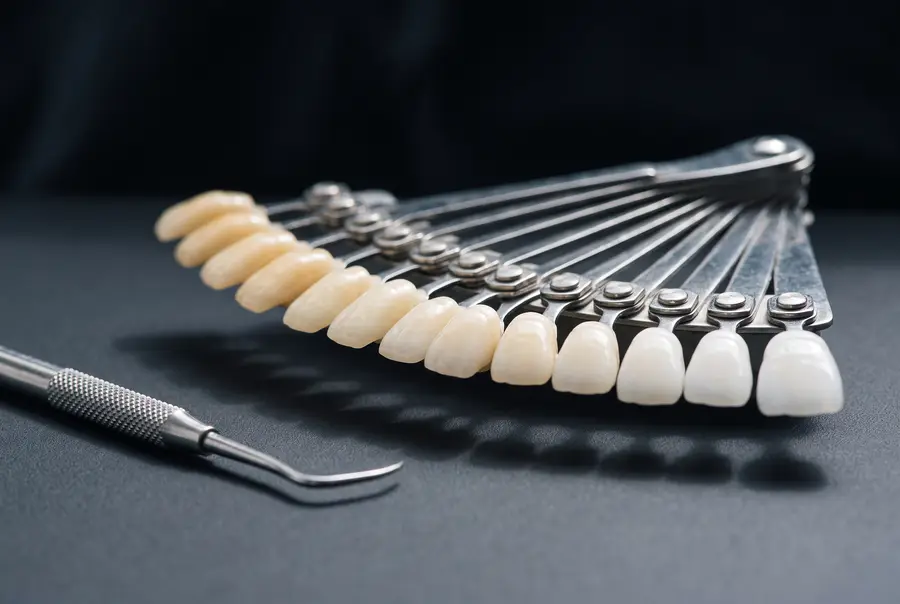
What a "Hollywood smile" actually is
It is a marketing phrase, not a procedure. Underneath it sits anything from whitening to twenty crowns, and the difference between those matters more than any photograph.


Let's plan your treatment
Send us your details and a treatment coordinator will guide you through the next step.