
Medical aesthetics
Dermal fillers
A different treatment from botulinum toxin, doing a different job — and carrying a rare complication that every patient should know how to ask about.
What this treatment involves
Dermal filler is a gel injected beneath the skin to add volume where volume has been lost or was never there. Almost all modern fillers are made of hyaluronic acid, a substance the body already produces, formulated at different thicknesses for different jobs — a soft gel for fine lines around the mouth, a firm one for structural support along the jaw or cheek.
It is often confused with botulinum toxin, and they are opposites. Toxin *reduces* movement to soften the lines movement creates. Filler *adds* volume to lift or fill. A crease that is there when your face is completely still is generally a filler question; a line that only appears when you frown is generally a toxin question. Many faces need one, some need both, and a proper assessment says which.
One property matters more than any other: hyaluronic acid filler can be dissolved. An enzyme called hyaluronidase breaks it down within hours. That makes it reversible if you dislike the result — and, far more importantly, it is the emergency treatment if a blood vessel is blocked. Permanent and semi-permanent fillers have no equivalent, which is why they are avoided.
Who may be suitable
Considered for adults who have lost facial volume with age, want more definition in a specific area, or have a static crease that does not respond to muscle relaxation.
Not given during pregnancy or breastfeeding, over an active skin infection or inflammation at the site, or where there is a history of severe allergy or anaphylaxis. Autoimmune conditions and previous permanent filler in the same area both need declaring, as they change the risk and the plan.
Before anything is injected, ask three questions: is the person injecting a qualified medical professional, is hyaluronidase kept on the premises, and would they know how to manage a vascular occlusion. A clinic that cannot answer all three clearly is not one to be injected at — the product is far less important than the answer to those questions.
Why patients choose it
The result is immediate and adjustable in the same appointment, unlike a treatment whose effect takes weeks to appear.
It addresses what muscle-relaxing injections cannot: volume loss, contour, and creases present at rest. And it is reversible — a property no surgical alternative shares, and the reason hyaluronic acid displaced older permanent products.
There is no surgery, no general anaesthetic, and most people return to normal activity the same day.
How treatment works

Assessment
20 minutes
Your face is assessed at rest and in movement to establish whether volume, muscle relaxation, or neither is the right answer. Medical history, allergies and any previous filler are reviewed.
Planning
Same visit
Product type, placement depth and volume are planned per area. Conservative volumes are used first — more can be added, but removal means dissolving.
Treatment
20–40 minutes
Numbing cream or local anaesthetic, then injection by needle or cannula depending on the area. Twenty to forty minutes.
Immediate review
Same visit
Symmetry is checked and adjusted before you leave. Warning signs of vascular compromise are explained, with a direct contact for the following days.
Settling
2 weeks
Swelling resolves over one to two weeks, when the true result is visible. Review at two weeks.
What happens in Istanbul
These are outpatient appointments — no hospital stay and no anaesthetic beyond numbing cream or a local injection. Most are completed in a single visit of under an hour.
Two scheduling points matter. Bruising and swelling are common after injectables and peak in the first day or two, so leave several days before any event you care about rather than treating on the way to it. And where a treatment needs a course of sessions, only the first can be done here; your coordinator will say so before you travel rather than after, so you can decide whether the trip is worth making.
Recovery
Swelling and some bruising are expected, peak within the first day or two, and generally settle within one to two weeks. Lips swell more than anywhere else and can look considerably fuller than the final result for several days — this is normal and not a reason to seek correction.
Avoid strenuous exercise, saunas, and extremes of heat or cold for about two days, and avoid pressing or massaging the area unless you have been told to.
The result settles as the swelling resolves, at around two weeks. Duration depends on the product and the site: six to twelve months in mobile areas such as the lips, up to eighteen in firmer structural areas.
Typical recovery
Swelling and some bruising peak. Lips swell more than anywhere else and can look considerably fuller than the final result.
No strenuous exercise, saunas or extremes of heat and cold. Do not press or massage the area.
Swelling resolves and the result settles.
Six to twelve months in mobile areas such as the lips; up to eighteen in firmer structural areas.
A usual course, not a schedule you have been given. Recovery varies considerably between people, and the full recovery information above is what your own plan is based on.
Risks and considerations
Swelling, bruising, tenderness and small lumps are common and usually settle within two weeks. Lumps that persist can often be massaged out or dissolved.
Vascular occlusion is the complication that matters. If filler is injected into or compresses a blood vessel, the tissue supplied by that vessel loses its blood supply. It is rare, but it can cause skin death and — where vessels around the eye are involved — permanent loss of vision. It is a time-critical emergency: recognised early and treated with hyaluronidase, the outcome is usually good; recognised late, it may not be.
The warning signs are severe or increasing pain, or blanching, mottling or dusky discolouration of the skin, either during or in the hours after treatment. Not the ordinary tenderness of an injection — pain that is out of proportion. If you experience it, contact the clinic immediately rather than waiting to see whether it improves.
This is why who injects you matters more than what they inject. Choose a qualified medical professional in a clinical setting that stocks hyaluronidase, and avoid non-medical settings entirely.
Other risks: infection, delayed inflammatory nodules months later, migration of product from where it was placed, asymmetry, and — with repeated over-treatment — a distorted, overfilled appearance that looks worse than the starting point. Restraint is a clinical skill.
This information is general and educational. Whether a procedure is appropriate for you can only be determined by a qualified medical professional after an individual assessment, including your medical history and an examination.
Common questions
What is the difference between filler and Botox?
They do opposite things. Botulinum toxin reduces muscle movement, softening lines that appear when you move. Filler adds volume, lifting or filling areas that have lost it. A crease visible when your face is completely still is usually a filler question; a line that only appears when you frown is usually a toxin question. They are not alternatives to each other, and an assessment should tell you which — or whether neither is the right answer.
How do I know a clinic is safe to be injected at?
Ask three things: is the person injecting a qualified medical professional, is hyaluronidase — the dissolving enzyme — kept on the premises, and would they know how to manage a vascular occlusion. Any clinic worth attending answers all three without hesitating. These questions matter far more than which brand of filler is used, and they are the reason not to have injectables in a salon, a hotel room or at a party.
Can it be removed if I do not like it?
Yes, if it is hyaluronic acid — which almost all modern fillers are. An injection of hyaluronidase breaks it down within hours. Wait until the swelling has settled at two weeks before deciding, since most early dissatisfaction is swelling rather than the result. Permanent and semi-permanent fillers cannot be dissolved, which is the main reason to refuse them.
Further reading
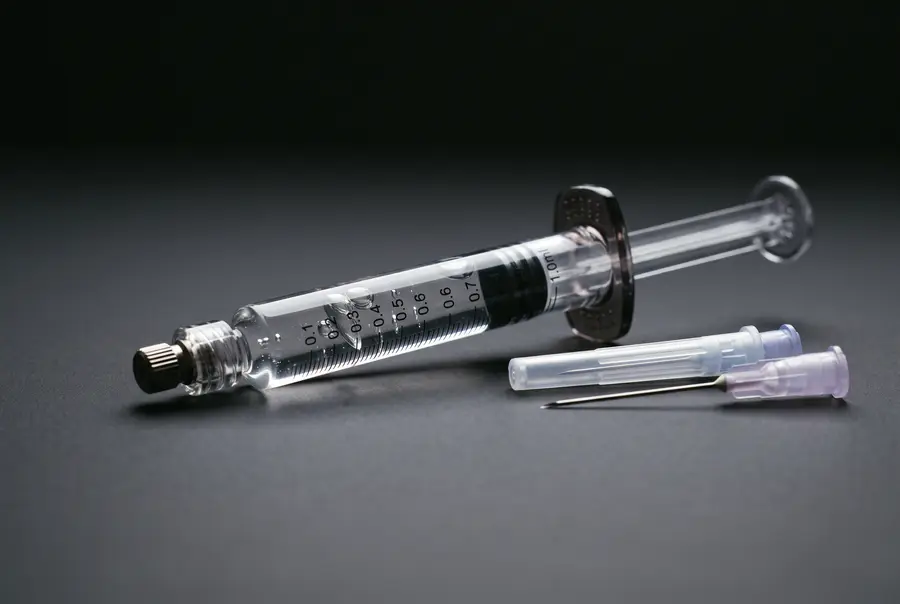
Botulinum toxin and fillers are not the same thing
They are routinely spoken of together and they do opposite jobs. One relaxes a muscle so a line stops being creased into the skin. The other adds volume where volume has gone.
Chemical peels or laser: how resurfacing is actually chosen
Both work by controlled injury at a chosen depth. Depth is the whole decision — and for darker skin, the choice of tool matters more than for anyone else.


Let's plan your treatment
Send us your details and a treatment coordinator will guide you through the next step.